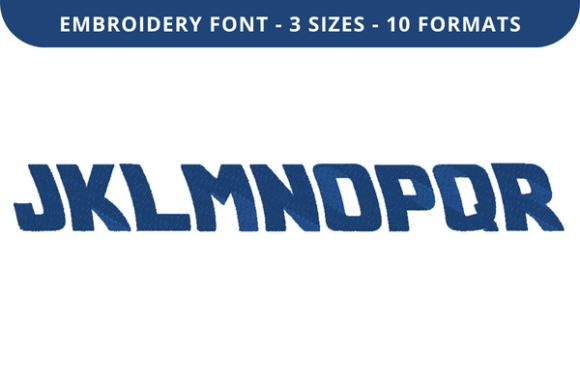
Back to the Past Font J to R
A Nostalgic, Season-Ready Embroidery Font for Real Holiday Makers
As an embroidery designer who’s built seasonal collections for over twelve years—launching everything from Thanksgiving kitchen towel sets to Christmas ornament bundles—I opened Back to the Past Font J to R with high expectations. What I found wasn’t just another script font—it was a mood, a memory, and a ready-made storytelling tool. The letters carry gentle flourishes, soft curves, and subtle contrast in stroke weight—evoking vintage schoolhouse chalkboards, handwritten recipe cards, and heirloom baby books. It feels warmly nostalgic without tipping into kitsch, elegant without stiffness, and handmade without sacrificing clarity. That balance is rare—and invaluable when you’re curating holiday embroidery for real buyers.
Where This Font Shines on Seasonal & Gift-Ready Products
Back to the Past Font J to R excels where emotional resonance meets practical wearability. On sweatshirt embroidery, it transforms basic crewnecks into personalized keepsakes—think “Jade • 2024” or “Riley’s First Day” stitched across the chest in matte cotton thread. For tote bag design, it adds quiet charm to reusable grocery totes or teacher appreciation gifts (“Mrs. Johnson • Room J”). Kitchen towel embroidery gains instant warmth: “Joy • Recipe Keeper” or “Rose • Baked with Love” stitched near the hem reads like a family heirloom—not mass-produced decor.
It’s equally strong on pillow covers (especially linen or canvas), embroidered patches for backpacks or denim jackets, and delicate table linens like napkin corners or tea towel hems. Baby items benefit deeply—think onesies, burp cloths, or milestone blankets where “June • Born to Bloom” or “Remy • 2024” feels tender and timeless. And for holiday embroidery? It softens the formality of ornaments and gift tags while elevating handmade gift appeal—no glitter required.
Real-World Selling Scenarios Where It Delivers
- Etsy listings: Paired with warm-toned mockups and gentle lifestyle photography, Back to the Past Font J to R boosts perceived value—customers scroll past generic fonts but pause for texture, personality, and intention.
- Craft fair displays: Stitched onto natural-fiber samples (linen, organic cotton, unbleached muslin), it communicates care and craftsmanship at a glance—no signage needed.
- Limited edition apparel: When launching family matching sets—“Jasper • June • Ruby”—this font creates visual cohesion and emotional continuity across sizes and garments.
- Social media previews: Its legibility at small scale (in Instagram Stories or Pinterest pins) means quotes and names stay readable—even without bold outlines or shadows.
- Printable mockups: Clean vector-style outlines render beautifully in digital product previews, making your Etsy thumbnails or email banners feel cohesive and premium.
Where to Use It Thoughtfully—Not Everywhere
Like any expressive embroidery file, Back to the Past Font J to R rewards intentionality. Avoid using it for tiny lettering under 0.5 inches tall—delicate serifs and fine connectors may not digitize cleanly on dense fabrics. On thick kitchen towels or heavy canvas aprons, confirm stitch density isn’t too high; overly dense fills can cause puckering or thread breakage during commercial embroidery. Dark fabric demands careful thread color testing—light ecru or oatmeal thread reads softly, but true white may glare or lack contrast.
Stretchy garments (like ribbed knits or lightweight jersey) require light cutaway stabilizer and reduced top tension—those graceful curves need support, not strain. Curved caps? Possible—but only with proper cap hoops and test runs; avoid tight letter spacing near seams. And always verify wash durability: if stitching for baby items or kitchen linens, choose high-quality polyester or rayon threads and reinforce backstitching on terminals.
Why It Elevates Your Seasonal Collection—Beyond Aesthetics
This font doesn’t just look good—it builds trust. Buyers recognize Back to the Past Font J to R as intentional, not algorithm-generated. That perception lifts your small shop product above commodity-level personalization. It strengthens brand consistency across holiday embroidery categories—whether you’re selling Back To School monogrammed lunchboxes or Christmas Eve pajama sets. And because it leans into nostalgia rather than trend-chasing, it stays relevant across seasons: “Jasper’s First Day” works in August, “Rose’s First Snow” lands in December, and “June’s Graduation” fits May.
Most importantly, it increases giftability. Personalized gifts sell best when they feel meaningful—not just labeled. With Back to the Past Font J to R, “Remy” isn’t just a name stitched on fabric—it’s a story waiting to be told. That emotional hook drives engagement during peak holiday shopping periods, reduces returns, and encourages repeat customers who remember how special their last purchase felt.
Practical Designer Notes Before You Stitch
- Test thread colors on both light and dark fabric swatches—especially for seasonal palettes like sage + cream or cranberry + oat.
- Check stitch density in your embroidery software; reduce fill density by 10–15% for heavy or textured fabrics.
- Confirm hoop size compatibility before batching—some versions may require larger hoops for optimal curve rendering.
- Use tear-away stabilizer for stable wovens (cotton, linen); switch to light cutaway for knits or stretchy blends.
- Create realistic mockups—not just flat PNGs, but draped sweatshirts or folded towel shots—to show scale and texture.
- Review small details after stitching: check serif integrity, terminal smoothness, and spacing consistency—especially on curved surfaces.
- Plan matching color palettes early: pair this font with earthy tones, muted pastels, or classic neutrals—not neon or high-contrast combos that compete visually.
- Verify commercial licensing terms before selling finished product—this is essential for Etsy sellers and small business owners offering personalized gifts.
Ultimately, Back to the Past Font J to R isn’t just another machine embroidery design—it’s a quiet differentiator in a crowded seasonal market. It helps you move beyond “personalized” to “cherished.” And in holiday embroidery, that distinction is what turns one-time buyers into lifelong fans.