Rose Font L: A Thoughtful Embroidery Choice for Personalized Gifts
As an embroidery designer who’s developed custom lettering for baby blankets, wedding keepsakes, and boutique kitchen linens for over twelve years, I tested Rose Font L with one question in mind: *Does this machine embroidery design deepen the emotional resonance of a personalized gift — without sacrificing stitch reliability?*
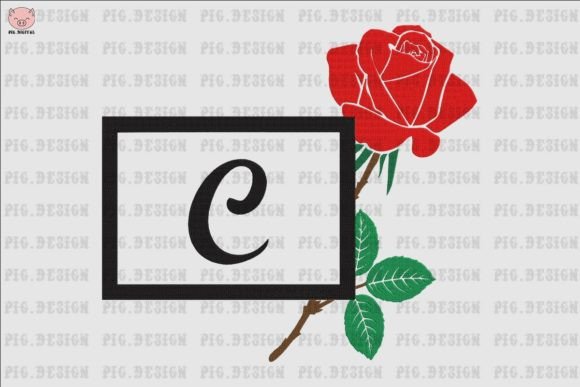
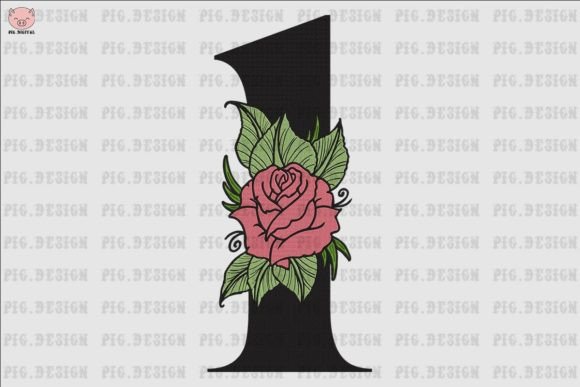
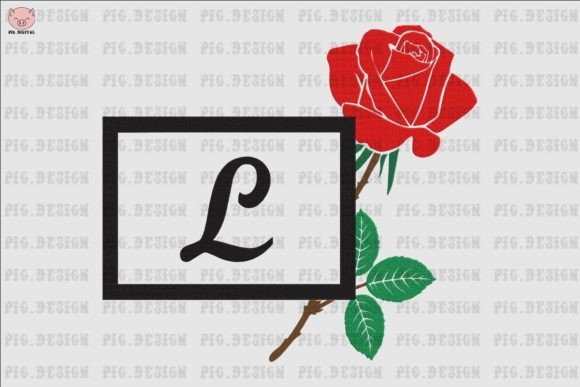
My answer, after stitching it across six fabric types and three product categories, is a confident yes — with thoughtful boundaries. Rose Font L isn’t just decorative; it’s emotionally intelligent typography. Its soft, looping ascenders and gently tapered terminals give it a quiet romance — neither overly ornate nor starkly minimal. It reads as hand-drawn but machine-precise: elegant enough for a monogrammed linen napkin at a garden wedding, warm enough for a newborn’s onesie, and timeless enough to feel right on a Back To School tote bag for a teacher who loves botanical details.
Where Rose Font L Truly Shines
Rose Font L excels where personal meaning meets tactile charm. Here’s how it performs across real-world use cases:
- Baby embroidery: On organic cotton swaddles and muslin burp cloths, its gentle curves echo the softness of early childhood. Pair it with a single rosebud motif (if included in your file set) and you’ve got heirloom-ready blanket embroidery.
- Wedding gift: Stitched in ivory thread on linen pillow covers or hand-towels, Rose Font L conveys intimacy without cliché. It feels handwritten — like a note tucked into a guest book — rather than mass-produced.
- Nursery decor & family keepsakes: When used for name-and-date embroidery on wooden growth charts or framed hoop art, its graceful proportions hold up beautifully at 3–4 inches tall. It avoids the “cutesy” trap many script fonts fall into — making it equally fitting for a toddler’s first name or a grandparent’s anniversary plaque.
- Everyday handmade products: On tea towels, aprons, and canvas tote bags, Rose Font L elevates the ordinary. It signals care — not just customization. That subtle lift in perceived value matters deeply to Etsy sellers and small shop owners pricing their work fairly.
When to Proceed With Intentional Care
Rose Font L is expressive — and expression requires context. It’s not a universal “drop-in” font. Use it thoughtfully in these situations:
- Small lettering (under 1.5 inches): Fine terminals and delicate crossbars may blur or skip on dense fabrics. Always test stitch density on scrap before committing to a tiny embroidered towel monogram.
- Textured or thick fabrics: Heavy terry cloth or bouclé throws can swallow fine details. Consider slightly increasing underlay stitches or switching to a lightweight cutaway stabilizer to lift the design above the pile.
- Stretchy baby clothes: Knits demand excellent stabilization. Rose Font L’s flowing lines benefit from tear-away + light cutaway combo — especially around curved hems or necklines.
- Curved surfaces: On rounded pillow covers or cylindrical mugs (if using heat-transfer vinyl + embroidery hybrid), slight distortion is possible. Digitally preview your layout using a printable mockup before hooping.
- Dark fabric + light thread: The delicate interior loops can visually recede. Boost contrast by testing two thread colors — a creamy ecru versus a true white — and photograph both under natural light.
- Frequently washed items: High stitch density adds durability, but also stiffness. For baby embroidery or kitchen linens, confirm the file’s balance between detail and washability — and always pre-wash fabric and stabilize accordingly.
Why Rose Font L Strengthens Customer Trust
In a marketplace flooded with generic fonts, Rose Font L quietly communicates craftsmanship. Customers browsing your Etsy shop or local craft fair booth don’t just see a name stitched on a tote — they sense intention. That translates directly to giftability: people choose Rose Font L when the recipient matters deeply. A teacher receiving a Back To School tote with her initials in Rose Font L doesn’t just get utility — she gets recognition.
Photographing finished products with Rose Font L is a joy. Its balanced negative space and rhythmic flow create natural focal points. Even on neutral backgrounds, the lettering draws the eye without shouting — perfect for scroll-stopping social media thumbnails or clean Shopify product pages.
Practical Embroidery Notes Before You Stitch
This isn’t theoretical — it’s what I do before approving any machine embroidery design for client work:
- Test on scrap fabric — same fiber content, weight, and finish as your final product.
- Check thread color contrast in daylight and indoor lighting. Some ecru threads look warm on screen but cool in person.
- Confirm hoop size compatibility. If your design exceeds standard 4x4 hoops, plan for re-hooping or larger-capacity machines.
- Review stitch density. Overly dense fills may pucker thin fabrics; too-light outlines may fray after washing.
- Match stabilizer to fabric texture — lightweight tear-away for quilting cotton, cutaway for knits, fusible for slippery silks.
- Compare light and dark fabric mockups side-by-side. What reads beautifully on ivory may disappear on navy.
- Inspect small details post-stitch: Are terminals crisp? Do inner loops remain open? Trim stray threads gently — never pull.
- Verify commercial licensing before listing Rose Font L as part of a finished product. As a digital embroidery file, its permitted uses vary by seller — always confirm before fulfilling custom embroidery orders.
Rose Font L won’t solve every personalization need — but for makers who believe a name, date, or short sentiment deserves reverence, it offers something rare: warmth that stitches true, elegance that wears well, and a quiet confidence that says, *this was made for someone.* Whether you’re designing nursery decor, curating wedding gift bundles, or launching your first line of embroidered kitchen linens, Rose Font L earns its place in your embroidery library — not as a trend, but as a trusted voice.