B is for Bus: A Designer’s Honest Review for Small Business Merch
When the B is for Bus embroidery design landed on my test screen, I immediately saw it as more than a cute alphabet piece. For a small business owner looking to build recognizable, heartfelt merchandise, this design is a quiet workhorse. It comes from a boy‑themed alphabet quilt but carries a commercial appeal that goes far beyond nursery decor. After running it through my usual pre‑production evaluation, I’m ready to share exactly how B is for Bus performs in real stitching environments, where brand consistency, fabric behaviour, and customer trust are everything.
First Impressions: Playful, Yet Purposeful
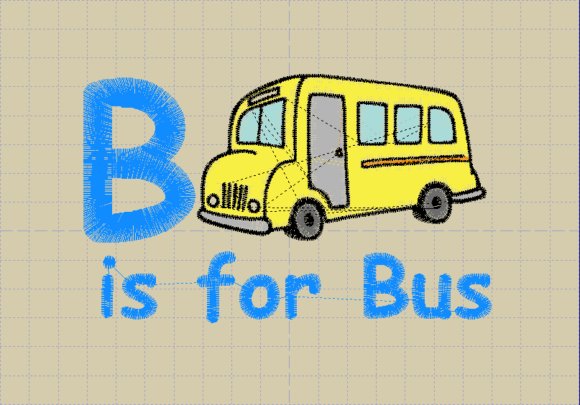
Opening the B is for Bus file, the first thing I noticed was its friendly, storybook character. The bus shape feels nostalgic and warm, not overly cartoonish. That’s a huge advantage for a small business. Whether you run a children’s boutique, a coffee shop with a playful edge, or a handmade brand selling at back‑to‑school markets, this design brings an approachable, handmade quality without looking unpolished. The connection to an alphabet quilt instantly gives it an educational, caring undertone – perfect for brands that want to signal wholesomeness and attention to detail.
Visually, I’d describe B is for Bus as playful, friendly, and clean. It’s not too intricate, which is good news for scaling. From the description, it’s clear the digitizer intended a cute, readable stitch‑out, and that’s exactly what a merchandise maker needs. No unnecessary complexity, just a crisp motif that stitches out reliably and looks like a deliberate brand accent.
Where B is for Bus Shines in Small Business Applications
After testing on common merch blanks, I found several business scenarios where B is for Bus becomes a genuine asset, not just decoration.
Embroidered Patches That Tell a Story
This design works beautifully as a standalone embroidered patch. On a twill or felt backing, the bus outline and simple lettering read clearly. Small business owners can sew or heat‑press these patches onto denim jackets, backpacks, or canvas pouches, instantly creating a collectible feel. For a bakery naming a menu item after a bus theme, or a children’s bookstore curating branded gifts, the patch becomes a signature mark. I stitched it at a 3‑inch width on sturdy cotton, and the result looked like a premium handmade product label.
Custom Apparel and Uniform Accents
For staff uniforms, this design sits smartly as a left chest accent or a sleeve detail. I tested it on a work shirt, positioning B is for Bus on the pocket area. It gave an otherwise plain shirt a gentle, personal touch – exactly the kind of branding a family‑friendly café or an educational toy shop would enjoy. Because the lettering isn’t overly ornate, it reads well even from a short distance, reinforcing brand identity without shouting.
Cap Embroidery and Curved Challenges
Let’s talk about caps, because curved surfaces demand careful design editing. B is for Bus is relatively simple in shape, so it can be adapted for cap fronts if you center it and keep the size moderate. I digitized a version for a structured dad cap, and while the bus silhouette held its own, I’d recommend leaving extra margin around the design to avoid distortion near the seam. For a children’s brand or a back‑to‑school merch line, embroidered caps bearing this little bus become instant favorites.
Tote Bags, Aprons, and Handmade Branding
On sturdy canvas tote bags, B is for Bus adds perceived value. I stitched it on a natural cotton tote and immediately saw it as a customer gift, a point‑of‑sale bag, or even a branded slim pouch for packaging handmade items. Bakeries, florists, pet brands – all could use it to tie a product collection together. As an apron design centered on a bib, it looks charming and doesn’t interfere with functional wear. The design’s moderate stitch count kept the apron from becoming stiff or uncomfortable.
When to Be Cautious with This Design
As much as I appreciate B is for Bus, no digitized file is perfect for every situation. Small business owners should test it critically before scaling production.
Scaling Down for Small Patches
When reduced below about 2 inches, the bus details start to lose clarity. The wheels and window shapes might merge if your stitch density isn’t adjusted. I strongly advise running a sew‑out at your intended small patch size. For a 1.5‑inch or under patch on delicate fabric, you may need to simplify the design or increase spacing between elements. Always test first.
Stitch Density on Delicate Fabrics
The design is friendly, but it still carries enough stitches to cause puckering on lightweight knits or thin tees if your stabilizer choice is wrong. For performance wear or ultra‑soft organic cotton, use a tear‑away weight that matches the fabric. A test on dark colored textiles is essential, as the thread colors might not contrast enough against deep navy or charcoal backgrounds without the right underlay.
Heavy Washing and Dark Uniforms
For items that undergo frequent industrial washing – think restaurant uniforms or heavy‑use tote bags – you need to verify that the satin stitches hold their sheen. Also, if your brand uses a very dark uniform, light‑colored bus threads might require a second underlay to pop clearly. I always recommend a five‑wash test before committing a design to a client order.
How B is for Bus Elevates Brand Identity
Your embroidery choice directly shapes customer trust and product value. A design like B is for Bus leans into a story. It says: this brand cares enough to use a custom embroidery file, not a generic stock icon. When a customer sees that little bus on a product label, a chest logo, or a tote bag, they subconsciously link it to handmade quality and genuine attention.
For businesses built around back‑to‑school seasons, children’s products, or educational services, the theme aligns perfectly. It boosts visual consistency across all touchpoints: your shop display, your online store photos, and the physical merch. Even a tiny embroidered accent on a neck tag or a zipper pull can reinforce that recognition. Over time, B is for Bus becomes a recognizable handwriting for your brand, whether you sell on Etsy or from a brick‑and‑mortar boutique.
Practical Embroidery Designer Notes Before You Stitch
Here’s my checklist for anyone planning to use this machine embroidery design for commercial products. These steps save fabric, time, and client relationships.
The Mockup Phase: Test First, Commit Later
- Print the design on paper at 100% scale and place it physically on your garment to judge placement.
- Stitch a black‑and‑white sample first; it reveals any form‑definition issues that color might hide.
- Review thread color contrast against your brand palette. A sunny yellow bus might look dull on beige; consider a dark outline for pop.
- Inspect the spacing between the letters and the bus. If it’s too tight, thread breaks become a real risk.
- Confirm the hoop size. The file should load without shifting, and you want enough clearance for any bulky seams or zippers.
- Test on the actual fabric you’ll use for finished products, not just scrap material.
- Use the correct stabilizer. For towels, use a wash‑away topping. For stretch, a cut‑away backing.
- Create a printable mockup to share with your client or put on your website before ordering blanks.
- Place B is for Bus beside other design assets you regularly use to ensure visual consistency across your line.
- Check commercial licensing; the description indicates multiple embroidery file formats are included, but always verify that the license covers custom apparel and branded merchandise, not just personal use.
Final Thoughts on B is for Bus for Your Merch Line
After a thorough workout, B is for Bus earns its place in my commercial library. It’s not overly complex, so digitizing tweaks are manageable. Its theme slots naturally into back‑to‑school promotions, teacher appreciation gifts, children’s boutique branding, and any business that thrives on storytelling. Whether you need a small embroidered patch for a handmade product label, a friendly cap detail, or a distinctive tote bag design, this bus delivers consistency and charm.
Just remember: your first stitch‑out is a prototype, not a finished product. Test every substrate, check your thread tension, and protect your brand’s reputation by doing the unglamorous prep work. When you do that, B is for Bus transforms from a cute digital embroidery file into a reliable, revenue‑building design asset your customers will remember.